

Do You Need AWD or 4WD in the Wiregrass Region?
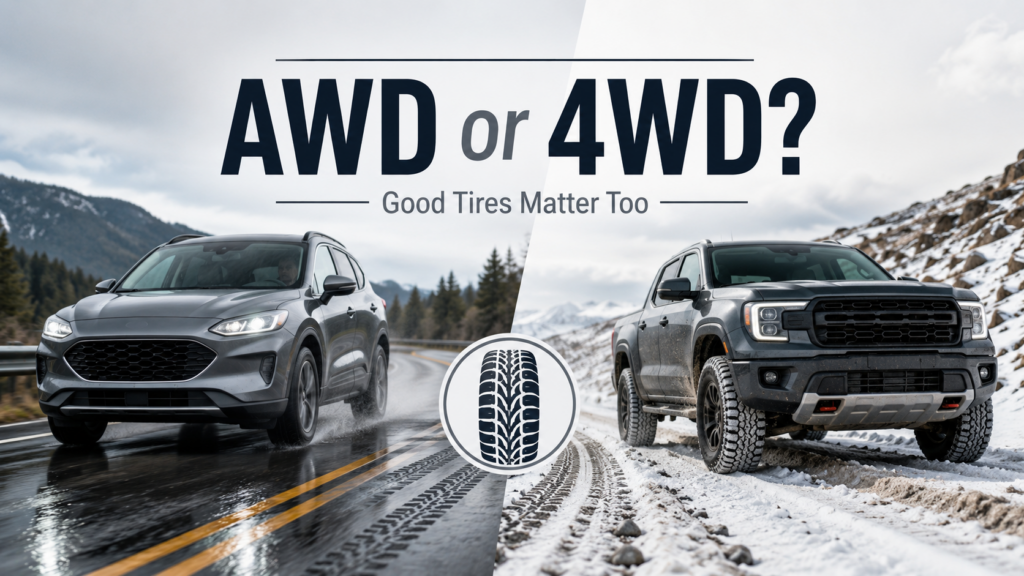
Most Dothan drivers do not need AWD or 4WD every day, but it can be worth it if you travel often, tow, drive on unpaved roads, or head north in winter.
Top 3 Takeaways
- Good tires matter more than AWD or 4WD for most Dothan driving, especially in rain, heat, and daily traffic.
- AWD can be helpful for wet roads, gravel, light trails, and road trips, but it does not help you stop faster.
- 4WD is usually best for trucks, towing, off-road use, mud, snow, steep terrain, or drivers who regularly travel to winter climates.
Dothan drivers deal with a lot of rain, slick pavement, busy roads, construction zones, and occasional trips on dirt or gravel roads. Because of that, many shoppers wonder whether AWD or 4WD is a must-have when choosing their next car, SUV, or truck.
The honest answer is simple: it depends on how and where you drive. For many local drivers, a front-wheel-drive vehicle with quality tires is more than enough. For others, especially snowbirds, frequent travelers, outdoorsy drivers, or truck owners, AWD or 4WD can be a smart upgrade.
The key is knowing what each drivetrain actually does. Many buyers assume AWD or 4WD makes a vehicle safer in every situation. In reality, the drivetrain helps your vehicle get moving, but your tires are what help you stop, turn, and stay connected to the road.
What Is the Difference Between AWD and 4WD?
AWD stands for all-wheel drive. It is most common in crossovers, SUVs, and some sedans. AWD systems can send power to both the front and rear wheels, often automatically, when the vehicle senses a slip.
4WD stands for four-wheel drive. It is more common in trucks and rugged SUVs. Many 4WD systems are designed for tougher conditions like mud, sand, snow, steep driveways, trails, and towing.
The biggest difference is that AWD is usually built for everyday confidence, while 4WD is built for heavier-duty traction. AWD is often automatic and easy to use. 4WD may have settings like 2H, 4H, and 4L, depending on the vehicle.
| Drivetrain | Best For | Common Vehicles | Usefulness |
| Front-Wheel Drive | Daily driving, fuel economy, lower cost | Sedans, small SUVs, compact cars | Great for most drivers |
| Rear-Wheel Drive | Trucks, performance, towing balance | Trucks, sports cars, larger SUVs | Good, but tires matter in rain |
| AWD | Rain, light gravel, road trips, added confidence | Crossovers, SUVs, some cars | Useful, but not required |
| 4WD | Mud, towing, off-road, snow, steep terrain | Trucks, rugged SUVs | Worth it for specific needs |
Do Dothan Drivers Really Need AWD?
Most Dothan drivers do not need AWD for normal commuting, school drop-offs, grocery runs, or weekend errands. Roads around town are generally manageable with a reliable vehicle and good tires. Even during heavy rain, tire condition and safe driving habits usually matter more.
That said, AWD can be a nice feature in Dothan. It can help when pulling out onto a wet road, driving on loose gravel, crossing slick patches, or taking back roads after a storm. It can also give drivers more confidence during long highway trips.
AWD may be worth it if you drive often on rural roads, visit campsites, travel on unpaved driveways, or take frequent road trips. It can also be helpful for families who want an SUV that feels more stable in changing conditions. Just remember that AWD does not make a vehicle invincible.
When Is 4WD Worth It in Dothan?
4WD is worth considering if your driving includes more than regular pavement. If you tow a boat, haul equipment, visit hunting land, drive through muddy areas, or own property with dirt roads, 4WD can be a major advantage. It is also useful if you want a truck or SUV that can handle tougher conditions when needed.
For many Dothan truck buyers, 4WD is less about daily use and more about flexibility. You may not need it every day, but it can be valuable when the weather turns, the road gets soft, or the trip gets more demanding. It can also help with resale value on certain trucks and SUVs.
However, 4WD usually costs more upfront. It may also add weight, reduce fuel economy, and increase maintenance needs. If you never tow, never leave paved roads, and mostly drive around town, 4WD may not be worth the extra cost.
Why Good Tires Often Matter More Than Drivetrain
Good tires are one of the most important safety features on any vehicle. They affect braking, steering, traction, ride comfort, and wet-weather control. AWD and 4WD can help your vehicle move forward, but they do not replace tire grip.
This is especially important in Dothan because rain can make roads slick fast. Oil, dirt, and road grime can rise to the surface when rain starts. Worn tires can struggle in those conditions, even if the vehicle has AWD.
A front-wheel-drive vehicle with high-quality tires can often feel better and stop more confidently than an AWD vehicle with worn-out tires. That is why tire tread, tire age, air pressure, and proper alignment matter so much. Before paying extra for AWD or 4WD, make sure the vehicle has tires that match your driving needs.
| Feature | Helps You Accelerate? | Helps You Stop? | Helps You Turn? | Best Use |
| AWD | Yes | No | Somewhat, depending on traction | Wet roads and light slip |
| 4WD | Yes | No | Somewhat, depending on terrain | Mud, snow, towing, off-road |
| Good Tires | Yes | Yes | Yes | Everyday safety |
| Proper Tire Pressure | Yes | Yes | Yes | Fuel economy and control |
| Safe Driving Habits | Yes | Yes | Yes | Every condition |
AWD Does Not Mean You Can Drive Faster in Bad Weather
One of the biggest mistakes drivers make is assuming AWD makes bad weather easy. AWD can help you gain traction when pulling away from a stop. It can also help distribute power when one wheel starts slipping.
But AWD does not shorten your stopping distance on its own. If you are driving too fast in heavy rain, an AWD vehicle can still hydroplane. If your tires are worn, AWD will not magically create grip.
The safest approach is to slow down, leave more space, avoid sudden steering, and keep your tires in good shape. AWD is a helpful tool, not a replacement for careful driving. This is true around Dothan, on US-231, on US-84, and on long road trips through changing weather.
What About Road Trips and Winter Travel?
Dothan drivers should think about AWD and 4WD based on where they travel, not just where they live. The Wiregrass Region can bring rain, hills, colder temperatures, and occasional winter road conditions, while trips toward the mountains, higher elevations, or colder states can make AWD worth considering. It can add peace of mind when road conditions change.
For drivers who regularly visit areas with snow, ice, steep hills, or mountain roads, AWD or 4WD becomes more valuable. Still, tires remain the bigger factor. If you are driving in true winter weather, all-season tires may not perform as well as winter-rated tires.
Dothan drivers should also consider where the vehicle will spend most of its time. A vehicle that works well for everyday Alabama roads may not feel as capable on snowy hills, mountain roads, rural routes, or winter trips through higher elevations. If your lifestyle includes Dothan driving and frequent travel through changing winter conditions, AWD can be a practical middle ground.
When Front-Wheel Drive Is Enough
Front-wheel drive is enough for many Dothan drivers. It is common, efficient, affordable, and predictable in everyday driving. Most sedans, compact cars, and small SUVs use front-wheel drive because it works well for normal road conditions.
If your routine is mostly city streets, highways, school routes, work commutes, and errands, you may not need to pay extra for AWD. A well-maintained front-wheel-drive vehicle with good tires can handle Dothan rain and traffic just fine. It may also save you money on fuel and maintenance.
Front-wheel drive is also a strong option for budget-conscious buyers. If choosing between an older AWD vehicle and a newer front-wheel-drive vehicle in better condition, the newer or cleaner vehicle may be the smarter buy. Condition, maintenance history, tires, and overall reliability should stay near the top of your list.
When AWD Makes Sense
AWD makes sense if you want extra confidence without moving into a larger truck or rugged SUV. Many crossovers offer AWD, which makes them appealing for families, commuters, college students, and road-trip drivers. It can be a good fit if you want one vehicle that handles daily driving and occasional adventure.
AWD may be worth it if you regularly drive in heavy rain, travel long distances, visit rural areas, or take trips where the weather can change quickly. It can also be useful if you drive early in the morning or late at night when roads may be wet, dark, or unfamiliar. For some drivers, the added confidence is worth the cost.
Still, AWD should not be the only reason you choose a vehicle. Look at fuel economy, comfort, cargo space, safety features, reliability, and tire condition too. The right vehicle should fit your whole life, not just one possible road condition.
When 4WD Makes Sense
4WD makes sense for drivers who need stronger capability. If you tow trailers, boats, campers, or equipment, a 4WD truck or SUV may be a smart choice. It can also help if you drive on soft ground, muddy job sites, hunting roads, boat ramps, or rough terrain.
4WD is also a good choice for Dothan drivers who need extra capability beyond everyday pavement. If you own a truck, tow a trailer or boat, travel rural roads, visit hunting land, or take trips through hilly, muddy, or mountain areas, 4WD can be worth the investment. It gives you more options when the road is rough, soft, slippery, or just not ideal.
The downside is cost. 4WD vehicles are often more expensive to buy, maintain, and fuel. For drivers who only want a comfortable daily driver, 4WD may have more capability than they actually need.
What Should You Check Before Buying an AWD or 4WD Vehicle?
When shopping used, do not assume AWD or 4WD automatically means the vehicle is in great shape. These systems have extra parts that should be inspected. A test drive and vehicle inspection can help you avoid surprises.
Listen for clunks, grinding, whining, or vibration. Make sure the vehicle shifts smoothly and that any 4WD settings work correctly if equipped. Ask about maintenance history, especially fluid changes for the transfer case, differential, and transmission.
Tires are especially important on AWD vehicles. Mismatched tire sizes or uneven tread wear can stress the drivetrain. Ideally, all four tires should be the same size, have similar tread depth, and be appropriate for the vehicle.
| Buyer Question | Why It Matters |
| Are all four tires matching? | Mismatched tires can cause drivetrain strain |
| Is the tread depth healthy? | Worn tires reduce rain and road grip |
| Does the AWD or 4WD engage properly? | Confirms the system works as intended |
| Any warning lights on the dash? | Could point to drivetrain or sensor issues |
| Has the vehicle been maintained? | Fluids and service history matter |
| Do I actually need this system? | Avoids paying for capability you will not use |
The Best Choice for Dothan Drivers
For most Dothan drivers, the best setup is a reliable vehicle, good tires, and smart driving habits. AWD can be a nice bonus, especially for SUVs and travelers. 4WD is best for trucks, towing, rough roads, and drivers who need real off-road or winter capability.
If you mostly stay around town, front-wheel drive or rear-wheel drive may be perfectly fine. If you take frequent trips, visit colder states, or want extra traction in unpredictable conditions, AWD deserves a closer look. If you tow, work outdoors, explore rural areas, or travel into snow and mountains, 4WD may be the better fit.
The bottom line is simple: buy for your real life, not just the badge on the back of the vehicle. A good drivetrain helps, but good tires, maintenance, and safe driving matter every day.
Ready to Find the Right Vehicle for Your Driving Needs?
At Auto Smart, we can help you compare front-wheel drive, rear-wheel drive, AWD, and 4WD options based on how you actually drive in Dothan and beyond. Whether you are commuting locally, planning road trips, traveling north for the winter, or shopping for a family SUV or capable truck, our team can help you find the right fit. Browse our inventory today, or get started now with our secure credit application.
Frequently Asked Questions About AWD and 4WD in Dothan
Do I need AWD in Dothan, AL?
Most drivers in Dothan do not need AWD for everyday driving. A reliable front-wheel-drive vehicle with good tires is usually enough for commuting, errands, and local highways. AWD can still be helpful if you drive often in heavy rain, travel frequently, or use rural roads.
Is AWD better than 4WD for daily driving?
AWD is usually better for daily driving because it works automatically and is designed for normal roads. It is common in SUVs, crossovers, and some sedans. 4WD is better for towing, mud, off-road driving, snow, and tougher terrain.
Does AWD help in the rain?
AWD can help your vehicle accelerate on wet roads, especially from a stop. However, it does not make you stop faster. Tires, speed, following distance, and braking habits matter more when driving in Dothan rain.
Are good tires more important than AWD?
Yes, good tires are often more important than AWD because tires control braking, turning, and grip. AWD helps send power to the wheels, but tires are what connect the vehicle to the road. A vehicle with worn tires can still slip, even with AWD or 4WD.
Is 4WD worth it for roads around Dothan?
4WD can be worth it for Dothan drivers who spend time on rural roads, steep driveways, muddy areas, job sites, or mountain routes. It may also help if you tow a trailer, boat, or equipment. For regular highway and city driving, good tires and safe driving habits usually matter more than having 4WD.
Is 4WD worth it on a truck in Alabama?
4WD can be worth it on a truck if you tow, launch boats, visit job sites, drive on dirt roads, or want better capability for travel. If you only use the truck for paved roads and daily driving, 2WD may be enough. The right choice depends on your budget, driving habits, and how often you need extra traction.
