

Electric Cars vs. Gas Cars: Which Is Right for You?
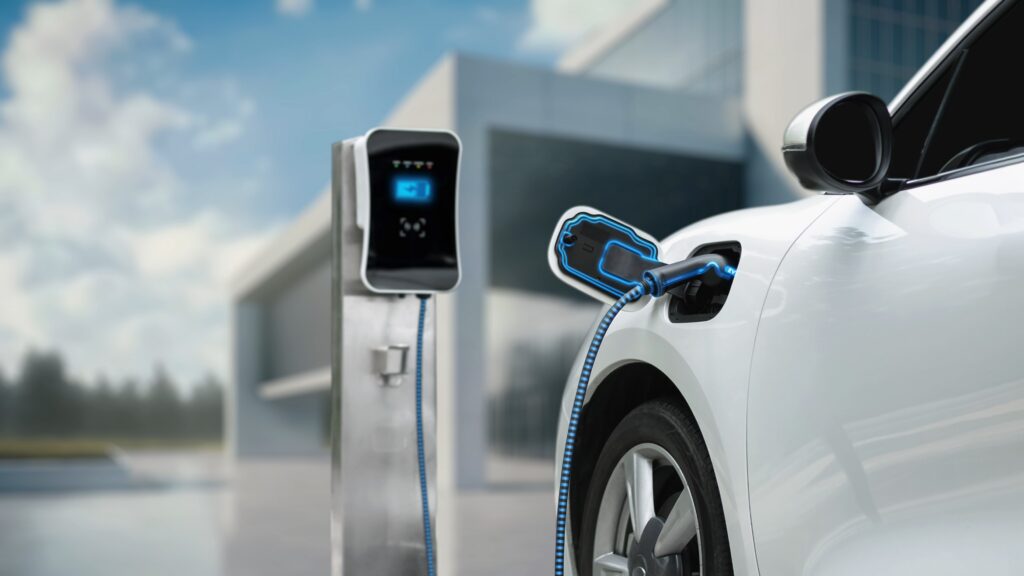
Electric vehicles are becoming more popular every year, but gas-powered vehicles are still the go-to choice for many drivers. If you’re shopping for your next car, you may be wondering which option makes the most sense for your lifestyle, budget, and driving habits.
Both electric cars and gas cars have their advantages. Electric vehicles can offer lower fuel costs, fewer emissions, and less routine maintenance, while gas vehicles often provide longer driving range, faster refueling, and a more familiar ownership experience.
To help you decide, let’s compare electric cars and gas cars in the areas that matter most.
Top 3 Takeaways
1. Electric cars can save money over time.
EVs often cost more upfront, but they may help reduce long-term fuel and maintenance expenses.
2. Gas cars are still convenient for long-distance driving.
Gas stations are widely available, and refueling only takes a few minutes, making gas vehicles a practical choice for road trips and rural areas.
3. The best choice depends on your lifestyle.
If you mostly drive locally and can charge at home, an EV may be a great fit. If you need long-range, quick refueling, or lower upfront costs, a gas-powered vehicle may make more sense.
1. Environmental Impact
Electric Cars: Electric vehicles are often considered a greener option due to their zero tailpipe emissions. They run on electricity, which means they don’t produce pollutants like CO2, carbon monoxide, and hydrocarbons that contribute to air pollution and climate change. The environmental benefits of EVs are particularly appealing in urban areas where air quality can be a significant concern.
- Pros:
- Zero Emissions: The absence of tailpipe emissions is perhaps the most significant advantage. By driving an electric vehicle, you’re contributing to cleaner air, reducing the carbon footprint associated with transportation.
- Renewable Energy: As the electric grid shifts towards more renewable energy sources (wind, solar, etc.), the overall emissions associated with EVs can decrease even further.
- Cons:
- Battery Production: The production of electric vehicle batteries requires significant amounts of energy and materials, such as lithium, cobalt, and nickel. The mining of these materials can have a negative environmental impact.
- End-of-Life Disposal: Disposing of used EV batteries in an environmentally friendly way is still a challenge.
Gas Cars: Gasoline-powered cars have been the standard for decades, and while they do emit pollutants, advancements in engine technology have made them more efficient and cleaner than ever.
- Pros:
- Established Infrastructure: Gas stations are ubiquitous, making fueling up a gas car convenient and widely accessible.
- Long Driving Range: Gas-powered vehicles can typically travel longer distances without needing to refuel, especially on long road trips.
- Cons:
- Pollution: Conventional gas cars emit pollutants like CO2, which contribute to global warming and climate change. They also produce particulate matter that can harm human health.
- Oil Dependency: The use of gasoline is tied to the global oil market, which can be subject to volatility in price and supply.
2. Cost of Ownership
Electric Cars: While electric vehicles tend to have a higher upfront cost compared to their gasoline counterparts, they can save you money in the long run through lower operating and maintenance costs.
- Pros:
- Lower Operating Costs: Electricity is generally cheaper than gasoline on a per-mile basis. Additionally, electricity costs can be managed with home charging stations, reducing the need for frequent trips to the gas station.
- Minimal Maintenance: EVs have fewer moving parts, so they require less maintenance. There’s no need for oil changes, and the brake systems last longer due to regenerative braking technology.
- Government Incentives: Many governments offer incentives for purchasing EVs, such as tax credits, rebates, and grants. These can significantly offset the initial purchase price.
- Cons:
- Higher Initial Price: The upfront cost of an electric vehicle is generally higher, partly due to the cost of the battery.
- Charging Infrastructure: Although it’s expanding rapidly, the availability of charging stations can still be limited, especially in rural or remote areas.
Gas Cars: Gasoline-powered vehicles are typically less expensive upfront, and while they may have higher ongoing fuel costs, they can be more budget-friendly initially.
- Pros:
- Lower Initial Cost: Gas cars are generally cheaper to buy initially, which makes them more accessible to a broader range of consumers.
- Familiar Technology: For many people, the technology behind gasoline engines is more familiar and less intimidating than the technology behind electric vehicles.
- Cons:
- Higher Fuel Costs: Gasoline prices can fluctuate significantly, impacting the cost of ownership over time.
- Higher Maintenance Costs: Gas vehicles require more frequent maintenance, including oil changes, filter replacements, and tune-ups.
3. Driving Experience
Electric Cars: Driving an electric vehicle offers a different experience than a traditional gas car, with a focus on smooth acceleration and quiet operation.
- Pros:
- Instant Torque: Electric motors provide instant torque, which translates to quick acceleration and a more responsive driving experience.
- Quiet Ride: The absence of a traditional combustion engine makes for a much quieter ride, enhancing the comfort and overall driving experience.
- Regenerative Braking: Many EVs feature regenerative braking, which converts kinetic energy into stored energy, thus extending battery life.
- Cons:
- Limited Driving Range: While electric vehicles are improving in range, they still don’t match the distance capabilities of gasoline cars on a single charge.
- Charging Time: Recharging an EV takes longer compared to filling up a gas tank. Fast-charging stations can cut down the time, but these are still relatively sparse.
Gas Cars: Gasoline-powered cars have been the norm for so long that drivers are accustomed to their performance characteristics.
- Pros:
- Long Range: Gasoline cars typically offer a much longer driving range, which is convenient for long trips or less frequent refueling.
- Refueling Speed: Gas stations can be found on virtually every corner, and filling up a gas tank takes only a few minutes.
- Cons:
- Noise and Vibration: The internal combustion engine generates noise and vibration, which can be less pleasant for some drivers.
- Limited Torque: Gas engines may not offer the same instant acceleration as electric vehicles.
4. Resale Value
Electric Cars: Electric vehicles can sometimes suffer from lower resale values compared to gas cars due to rapid advancements in technology and depreciation of batteries.
- Pros:
- Incentives for Early Adopters: As governments and automakers encourage the adoption of EVs, there can be favorable deals for early buyers.
- Growing Market: As EV technology matures and becomes more mainstream, resale values are expected to stabilize and potentially increase.
- Cons:
- Rapid Depreciation: The high cost of batteries means that as newer, more advanced models are released, older EVs may lose value quickly.
- Limited Secondary Market: The EV market is still developing, meaning finding a buyer for a used EV can sometimes be challenging.
Gas Cars: Gas-powered vehicles typically have a more stable resale value due to their established market and familiarity among buyers.
- Pros:
- Long-Standing Market: The used car market for gas vehicles is well-established, with consistent demand.
- Familiarity: Buyers are more accustomed to gas vehicles, which can make them easier to sell.
- Cons:
- Depreciation Over Time: While gas cars retain value better than electric cars, they still experience depreciation, especially as new models are released.
5. Charging vs. Refueling
Electric Cars: Charging an electric vehicle can be done at home or at public charging stations, making it a more flexible option for many drivers.
- Home Charging: Installing a home charging station can be convenient and cost-effective, allowing you to charge overnight for a full day of driving.
- Public Charging Stations: The number of charging stations is increasing, but they can still be scarce in certain areas. Fast chargers are available, but they are not as widespread.
Gas Cars: Refueling a gasoline car is quick and straightforward, but can also be less flexible in terms of location.
- Accessibility: Gas stations are abundant, making refueling convenient almost anywhere.
- Refueling Speed: Filling up takes minutes, which is especially useful for long road trips.
Find the Right Vehicle for Your Lifestyle
Choosing between an electric car and a gas-powered vehicle depends on how you drive, where you live, and what matters most to you.
At Auto Smart of Dothan, we’re here to help you compare your options and find a vehicle that fits your needs. Whether you’re interested in exploring electric models or shopping for a dependable gas-powered vehicle, our team can walk you through the decision-making process.
Visit us at Auto Smart to browse our available inventory and find the right vehicle for your lifestyle.
Frequently Asked Questions About Electric Cars vs. Gas Cars
Are electric cars cheaper to own than gas cars?
Electric cars can be cheaper to own over time because they often have lower fuel and maintenance costs. However, they may cost more upfront than comparable gas-powered vehicles.
Do electric cars need oil changes?
No. Electric vehicles do not use traditional gasoline engines, so they do not need oil changes. They still need routine service, such as tire rotations, brake checks, and battery system inspections.
Are gas cars better for long road trips?
Gas cars can be more convenient for long road trips because gas stations are widely available and refueling only takes a few minutes. However, many EVs now offer longer driving ranges and access to growing public charging networks.
How long does it take to charge an electric car?
Charging time depends on the vehicle, battery size, and charger type. Home charging may take several hours or overnight, while public fast chargers can add range much more quickly.
Do electric cars have enough range for daily driving?
For many drivers, yes. Most modern EVs offer enough range for daily commuting, errands, and local driving. Drivers who travel long distances often should compare range and charging access before choosing an EV.
Which is better: electric or gas?
Neither option is automatically better for everyone. Electric cars are great for drivers who want lower fuel costs, quiet performance, and fewer emissions. Gas cars are a strong choice for drivers who need long range, quick refueling, and lower upfront costs.