

Why Does Tire Rotation Matter for Your Vehicle?
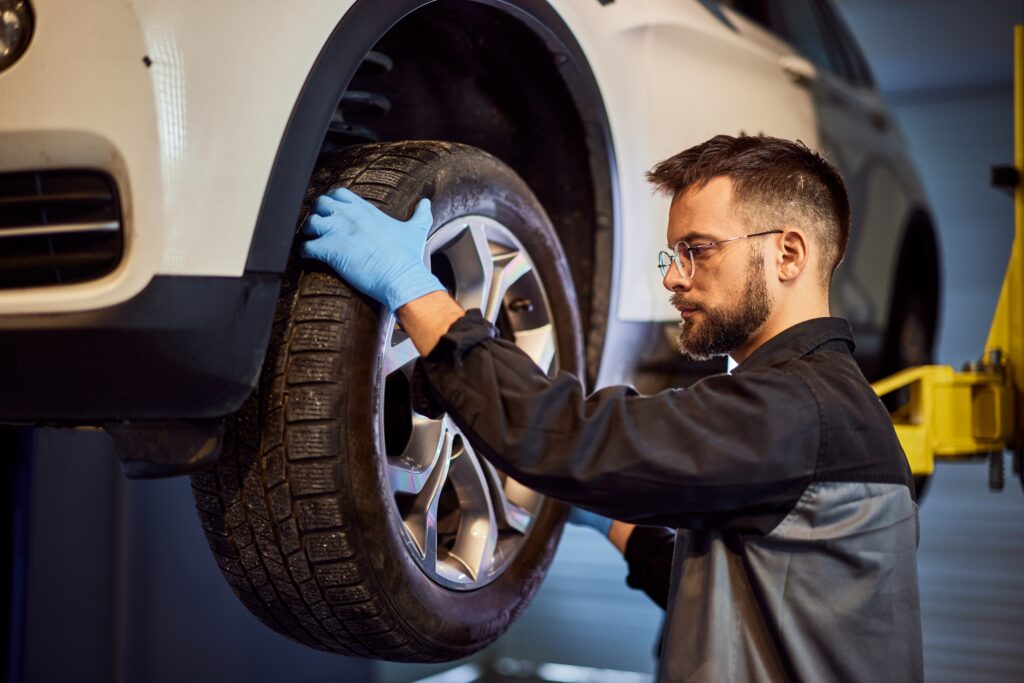
Tire rotation matters because it helps your tires wear evenly, last longer, and keep your vehicle safer on the road.
Top 3 Takeaways
- Tire rotation helps extend tire life by spreading wear more evenly across all four tires.
- Most vehicles should have tires rotated every 5,000 to 7,500 miles, or according to the owner’s manual.
- The right tire rotation pattern depends on your drivetrain, tire type, and whether your tires are directional or non-directional.
Understanding Tire Rotation and Its Importance
Tire rotation involves moving your vehicle’s tires from one position to another, usually from front to rear or side to side. The goal is to ensure even wear across all tires. Regular tire rotation helps maintain traction, increases tread life, and improves braking performance.
Without regular tire rotation, front tires or rear tires may wear out faster due to the weight distribution of the vehicle. Front-wheel drive vehicles often experience more wear on the front tires, while rear-wheel drive vehicles can see faster tread wear on the rear tires.
Common Tire Rotation Patterns
Tire rotation patterns are specific to your vehicle’s drive type and the type of tires it uses. The right pattern can depend on whether your vehicle is front-wheel drive, rear-wheel drive, or four-wheel drive.
X-Pattern
The X-pattern involves moving the tires on the front axle to the opposite rear positions. This pattern is used for non-directional tires and helps ensure even wear on all four tires.
Rearward Cross Pattern
This pattern is common for rear-wheel and four-wheel drive vehicles. The rear tires move to the front axle, and the front tires cross to the rear axle. This helps balance wear for rear-wheel drive vehicles.
Forward Cross
For front-wheel drive vehicles, the forward cross pattern works well. Front tires are moved to the rear without crossing, while rear tires cross to the front axle.
When to Rotate Your Tires
It’s recommended to rotate your tires every 5,000 to 7,500 miles, or as specified in your vehicle’s owner’s manual. Tire rotation is often done during an oil change or other routine maintenance, ensuring that your tires wear evenly and last longer. Some tire manufacturers may offer specific guidelines, so always check your vehicle manufacturer’s or tire manufacturer’s recommendations.
Tire Rotation for Different Vehicle Types
Each vehicle type may require a unique tire rotation pattern. The weight and drivetrain influence how tires wear and where they should be positioned.
Front-Wheel Drive Vehicles
In front-wheel drive vehicles, the tires on the front axle take on more responsibility, which can lead to uneven wear. The best rotation pattern for these vehicles is usually a forward cross pattern, moving the front tires to the rear axle and crossing the rear tires to the front axle.
Rear-Wheel Drive Vehicles
For rear-wheel drive vehicles, the rearward cross is typically recommended. The rear tires are shifted to the front without crossing, while the front tires move to the rear axle in a criss-cross pattern.
Four-Wheel and All-Wheel Drive
Four-wheel drive and all-wheel drive vehicles can benefit from the rearward cross pattern. Regular rotation of all four tires helps to balance the wear across all tires, maintaining tread depth and ensuring smooth driving.
Directional vs. Non-Directional Tires
Not all tires are the same. Some vehicles come equipped with directional tires, which are designed to rotate in one direction. Non-directional tires, on the other hand, can rotate in multiple patterns without concern. Understanding the type of tire your vehicle has will determine the correct tire rotation pattern.
Directional Tires
Directional tires have a tread pattern that is designed to work best in a single direction, typically for performance or specific weather conditions. These tires can only be rotated from front to rear on the same side of the vehicle.
Non-Directional Tires
Non-directional tires allow for greater flexibility in rotation. You can use patterns like the X-pattern or side-to-side rotation. This makes them more versatile and ensures that wear is even across all four tires.
Don’t Forget the Spare Tire
If your vehicle includes a spare tire, it’s important to incorporate it into the rotation schedule. Rotating in the spare ensures that all tires wear evenly and that the spare isn’t left unused for too long. When including a spare tire in your rotation, the temporary spare or full-size spare tire is usually rotated into the rear axle position.
How Tire Rotation Affects Tread Life and Performance
Rotating your tires regularly can extend the life of your tire tread, allowing for maximum performance over time. Uneven wear leads to premature tread wear, which affects how your vehicle handles and brakes. Keeping up with tire rotation also ensures that your vehicle’s tires wear evenly, providing a smoother and safer ride.
Checking Tire Tread Depth
Checking the depth of your tire tread is important to gauge wear. Tires should be checked periodically following the rotation patterns provided in your vehicle’s owner’s manual. Regular maintenance will help you stay on top of uneven wear, ensuring better handling and traction.
Tire Wear Indicators
Tires come with built-in wear indicators that show when the tread has worn down. If your tires are wearing unevenly, it could be a sign that you’re not rotating your tires regularly or that you need to adjust your rotation pattern.
Rear Tires, Front Tires, and the Drive Axle
The way your vehicle drives affects how the front and rear tires wear. Vehicles equipped with a front-wheel or rear-wheel drive will experience different wear rates. Rear-wheel drive vehicles tend to wear the rear tires faster, while front-wheel drive vehicles put more strain on the front tires.
Rotating Dual Rear Wheels
Some trucks and larger vehicles have dual rear wheels. For these vehicles, tire rotation involves dismounting and remounting tires, making it more complex. Dual rear wheel setups should follow the rotation patterns provided in the vehicle’s manual to ensure all tires wear evenly.
Tire Care and Maintenance
Tires should be serviced periodically following the rotation patterns provided in your vehicle’s manual. Routine maintenance, including checking tread depth and tire pressure, will keep your tires in top shape and ensure a longer life for your tires and wheels.
The Bottom Line on Tire Rotation
Tire rotation is one of the easiest ways to help your tires last longer, and your vehicle drive better.
By moving tires to different positions, you help reduce uneven wear and improve long-term performance. The right pattern depends on your vehicle, tire type, and manufacturer recommendations.
For most drivers, rotating tires every 5,000 to 7,500 miles is a smart routine. It can save money, improve comfort, and support safer driving.
When you are ready for a dependable vehicle, visit Auto Smart to browse our inventory or start your credit application. Our team is here to help you find the right vehicle for your daily drive, weekend plans, and long-term budget.
Frequently Asked Questions About Tire Rotation
How often should I rotate my tires?
Most vehicles should have tires rotated every 5,000 to 7,500 miles. You should also check your owner’s manual because some vehicles and tire types have specific recommendations.
What tire rotation pattern should I use?
The right tire rotation pattern depends on your drivetrain and tire type. Front-wheel drive vehicles often use a forward cross pattern, while rear-wheel drive, all-wheel drive, and four-wheel drive vehicles often use a rearward cross pattern.
Can tire rotation fix uneven tire wear?
Tire rotation can help slow uneven wear and balance out normal wear patterns. However, severe uneven wear may also point to alignment, balancing, suspension, or tire pressure problems.
Do AWD vehicles really need tire rotation?
Yes, AWD vehicles need regular tire rotation because all four tires work together. Uneven tread depth can put extra stress on the drivetrain and may affect how the system performs.
Can I rotate directional tires side to side?
Usually, no. Directional tires are designed to roll in one direction, so they typically rotate front to rear on the same side of the vehicle unless they are removed and remounted.
Is tire rotation worth it?
Yes, tire rotation is worth it because it can help extend tire life, improve ride quality, and support safer handling. It is a simple maintenance step that can prevent bigger tire problems later.